Serve aiuto?
Chat disponibile 24/7
Chat disponibile 24/7
 Nuovo
Nuovo
Price shown excludes VAT.
VAT relief available on this product
Eligible customers can claim VAT relief on this product at checkout.
Price shown excludes VAT.
VAT relief available on this product
Eligible customers can claim VAT relief on this product at checkout.
Price shown excludes VAT.
VAT relief available on this product
Eligible customers can claim VAT relief on this product at checkout.
Price shown excludes VAT.
VAT relief available on this product
Eligible customers can claim VAT relief on this product at checkout.
Price shown excludes VAT.
VAT relief available on this product
Eligible customers can claim VAT relief on this product at checkout.
Price shown excludes VAT.
VAT relief available on this product
Eligible customers can claim VAT relief on this product at checkout.
Price shown excludes VAT.
VAT relief available on this product
Eligible customers can claim VAT relief on this product at checkout.
Price shown excludes VAT.
VAT relief available on this product
Eligible customers can claim VAT relief on this product at checkout.
VAT relief applied — no VAT will be charged at checkout.
Free UK mainland delivery on orders over £300
Purchase options
Delivery frequency
Aggiungi l'intero set in un solo passaggio.
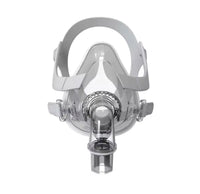
Questo è il cuscinetto sotto il naso per la maschera per ventilazione non invasiva Philips Respironics AF541. Sigilla sotto le narici e intorno alla bocca anziché sul dorso del naso, ed è così che l'AF541 scarica la pressione dal punto in cui più spesso iniziano le lesioni cutanee da NIV.
Fornito nuovo nelle misure extra small, A, B e C. Il cuscinetto si inserisce direttamente sul telaio della maschera AF541 ed è intercambiabile con il cuscinetto sopra il naso sulla stessa maschera, così il paziente può alternare le due tenute senza cambiare sistema di maschera. Maschera, gomito e cuffia si ordinano separatamente.
Verificare prima di usare la maschera su un paziente
La lesione da pressione al viso è la complicanza più comune della ventilazione non invasiva, e il dorso del naso è il punto in cui si verifica. La pelle in quel punto è sottile e poggia direttamente sull'osso, una maschera oronasale convenzionale applica proprio lì la sua tenuta più salda, e ogni perdita porta a stringere ancora la cuffia. In un paziente che non può riposizionarsi e necessita di ventilazione continua, il danno può comparire entro un giorno, e a quel punto le opzioni si riducono: il paziente deve comunque essere ventilato e la maschera deve comunque sigillare.
Il cuscinetto sotto il naso cambia il punto in cui si concentra il carico. Chiude sotto le narici e intorno alla bocca, lasciando scoperto il dorso nasale, e Philips rende i due tipi di cuscinetto intercambiabili sullo stesso telaio proprio perché possano essere alternati. Alternare le tenute scarica e ridistribuisce la pressione, che è il modo riconosciuto per ridurre il danno cutaneo durante un lungo periodo di ventilazione, e significa che un reparto non deve tenere a magazzino due sistemi di maschera per farlo. Il campo visivo più libero è un vantaggio secondario che conta più di quanto sembri per un paziente cosciente e spaventato.
Due limiti vanno precisati. Questo è un cuscinetto, non una maschera: si adatta al telaio AF541 e a nient'altro, per cui un reparto senza maschere AF541 a magazzino non può usarlo. E da solo non è una risposta al danno cutaneo. La pressione si sposta su labbro superiore, guance e mento, quindi l'ispezione prosegue sui nuovi punti di contatto, e dove esiste già una lesione sul dorso nasale il cuscinetto è una parte di un piano che comprende medicazioni, alternanza e pause dalla maschera.
| Gomito | Utilizzato con |
|---|---|
| Gomito entrainment, Leak 1 | Valvola anti-asfissia, per ventilatori non invasivi dedicati su circuiti monotubo |
| Gomito entrainment, Leak 2 | Valvola anti-asfissia con porte di perdita intenzionale, per ventilatori non invasivi dedicati su circuiti monotubo |
| Gomito standard | Ventilatori con sistema di valvola di sicurezza integrato, su circuiti bitubo |
| Gomito per broncoscopia | Accesso alle vie aeree durante la broncoscopia, su maschere con gomito da 22 mm a innesto a scatto |
Tutti i gomiti AF541 a innesto a scatto includono una porta per nebulizzazione. I gomiti si ordinano separatamente e non sono forniti con questo cuscinetto.
Specifiche limitate a quanto confermato
| Operazione | Quando |
|---|---|
| Ispezionare il cuscinetto per tagli, indurimento o deformazioni prima dell'applicazione | A ogni utilizzo |
| Ispezionare la pelle su labbro superiore, guance e mento | Secondo la politica locale di prevenzione delle lesioni da pressione |
| Alternare tenuta sotto il naso e sopra il naso per ridistribuire la pressione | Secondo il piano clinico del paziente |
| Pulire o ricondizionare rigorosamente secondo le istruzioni per l'uso dell'AF541 | Secondo la politica locale di decontaminazione |
| Smaltire il cuscinetto | Al termine dell'uso su quel paziente, o prima se danneggiato. Monopaziente |
Pulizia, ricondizionamento e limiti di utilizzo seguono le istruzioni per l'uso del produttore e la politica di decontaminazione dell'organizzazione ricevente.
Le specifiche possono cambiare senza preavviso. Chiedici il fascicolo tecnico aggiornato.
Ulteriore documentazione è disponibile su richiesta.
Gli ordini effettuati entro le 13:00, dal lunedì al venerdì, vengono spediti lo stesso giorno lavorativo da Leeds. Le consegne avvengono dal lunedì al sabato, mai la domenica.
Regno Unito continentale, articoli leggeri: da 1 a 2 giorni lavorativi. Articoli pesanti e voluminosi: da 2 a 4 giorni lavorativi.
Gli ordini internazionali vengono spediti con resa al luogo di destinazione (DAP). I dazi all'importazione, le imposte locali e i costi di sdoganamento sono applicati dal Paese di destinazione e sono a carico dell'acquirente.
Gli articoli non aperti possono essere restituiti entro 30 giorni dalla consegna. Contattaci prima di rispedire qualsiasi articolo, così potremo fornirti un riferimento di reso.
Per motivi igienici, gli articoli aperti che entrano in contatto con le vie respiratorie non possono essere restituiti, salvo se difettosi.
Leggi la politica di reso completa
Ciò non pregiudica i tuoi diritti di legge.
I rimborsi vengono emessi sul metodo di pagamento originale una volta che l'articolo reso ci è pervenuto ed è stato controllato, di norma entro cinque giorni lavorativi.
Gli articoli difettosi vengono rimborsati integralmente, comprese le spese di consegna che hai pagato.
Le informazioni di questa pagina sono fornite a titolo indicativo e non sostituiscono il parere di un professionista sanitario qualificato. Leggi sempre le istruzioni del produttore prima dell'uso e verifica che il dispositivo sia adatto al paziente e alla terapia prescritta.
Viene aggiunto allo stesso ordine.
Altri prodotti della stessa categoria.
Riprendi da dove avevi lasciato.
Written by people who bought from us.
Consegna in tutto il mondo – corrieri affidabili
Per pazienti e condizioni idonei
Consulenza e indicazioni sulle apparecchiature mediche
 October 04, 2026
The Alvera AirLink 360 Swivel is a 360-degree rotational CPAP connector that reduces tubing drag and helps maintain mask seal throughout ...
Leggi l'articolo October 04, 2026
An honest pre-purchase guide to the Alvera AirLink Mini Mask Adapter Twin covering compatibility, included items, cleaning and clinical u...
Leggi l'articolo October 04, 2026
Avoid the most common fitting, replacement and compatibility mistakes with the ALVERA PureGuard™ Universal In-Line Bacteria Filter. Pract...
Leggi l'articolo10%OFF
your first order of CPAP supplies
Welcome to SelfiMed UK
Join our email list for CPAP and home-care tips, new arrivals and offers. Your code appears straight away.
By signing up you agree to receive marketing emails from SelfiMed UK. Unsubscribe at any time. One use per customer, first order only. Valid on CPAP masks, cushions, tubing, filters and other supplies; not on machines or medical equipment.
You're in
We've also added it to your basket, so it applies at checkout automatically.
One use per customer, first order only. Valid on supplies, not on machines or equipment.